Design smarter from the ground up. Discover 10 essential features—from site-responsive planning and energy efficiency to smart wiring and storage—that make a custom home beautiful, functional, and future-ready.
10 Essential Features to Consider When Designing Your Custom Home
Designing a custom home is a rare opportunity to create a space that fits your life today and adapts to tomorrow. The right decisions early in the process can save money, reduce maintenance, and maximize comfort for decades. The key is balancing beauty, function, and performance—without losing sight of budget and timeline.
As you plan, work with a trusted builder who can translate your wishlist into buildable details. If you are just getting started, explore the dedicated custom home building services page to understand how thoughtful planning, clear specifications, and transparent project management keep your vision on track.
1. Site-Responsive Floor Plan and Orientation
Great custom homes begin with the land. A site-responsive plan aligns rooms and windows with sun paths, prevailing winds, views, and privacy. Thoughtful orientation improves energy efficiency, daylighting, and comfort without adding costly technology.
- Position main living areas to capture natural light, and use deep overhangs to control summer heat.
- Place service spaces (garages, utility rooms) as buffers against street noise and weather.
- Leverage topography for walk-out basements, drainage, and accessible entries.
Ask your designer to model sun angles and local climate data so the home performs naturally.

2. A Functional Kitchen as the Home’s Command Center
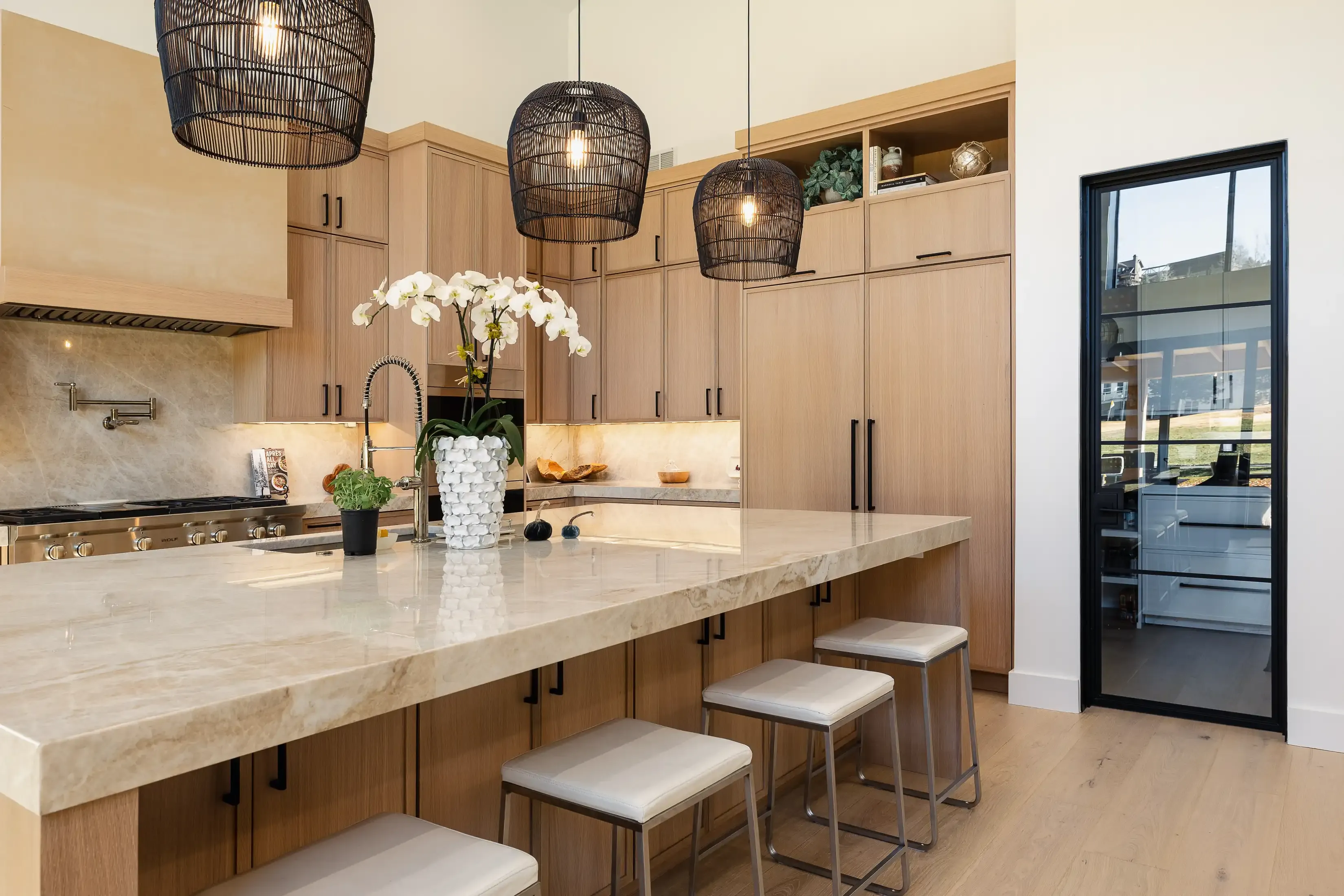
A custom home’s kitchen does more than cook—it hosts life. Plan efficient work zones, durable surfaces, and generous storage that makes everyday living easier.
- Anchor the plan with an island that allows safe circulation while keeping prep, sink, and cooking zones within easy reach.
- Include a walk-in pantry or scullery to hide small appliances and maintain clean counters.
- Specify strong ventilation, task lighting, and outlets or USB/Type-C charging in logical locations.
Consider induction or gas with proper make-up air, and choose easy-care finishes like quartz counters and large-format tile floors.
3. A Primary Suite That Balances Calm and Convenience
Your primary suite should feel like a quiet retreat yet function smoothly day to day. Separate it from high-traffic areas, and prioritize storage and acoustic comfort.
- Place the suite away from noisy rooms and consider sound-dampening insulation.
- Design a spa-like bath with curbless shower, handheld sprayer, and non-slip tile.
- Include a well-lit walk-in closet with built-in organization and a bench or island.
Aging-in-place features (wider doors, blocking for future grab bars) add safety and long-term value without sacrificing design.
4. Flexible Spaces for Work, Wellness, and Guests
Lives change. Build-in flexibility so your custom home adapts without costly renovations. Multi-purpose rooms can flex from office to nursery to gym as needs evolve.
- Add pocket doors or built-ins so a den can double as a guest room.
- Pre-wire for video conferencing with good lighting and sound control.
- Provide outlets at varied heights and reinforce walls for future shelving or Murphy beds.
Plan for quiet zones and active zones, so work and rest can happen in harmony.
5. Seamless Indoor–Outdoor Living and Natural Light
Connection to the outdoors enhances well-being. Large sliders, corner windows, and covered patios extend living space and invite daylight deep into the home.
- Choose multi-panel doors with low thresholds and durable screens to manage insects and pets.
- Design covered outdoor rooms with ceiling fans, heaters, and lighting for year-round use.
- Coordinate grading, drainage, and hardscapes to keep water away from the foundation.
Thoughtful window placement and skylights brighten interiors while minimizing glare and energy loss.
6. Energy Efficiency and a High-Performance Envelope
Energy-smart custom homes are more comfortable, quieter, and less expensive to operate. Invest in the building envelope first—insulation, windows, and air sealing—then right-size mechanical systems.
- Upgrade to high-performance windows and strategic shading to reduce heat gain.
- Specify robust insulation, continuous air barriers, and quality air sealing to cut drafts.
- Choose high-efficiency heat pumps and smart thermostats for precise comfort control.
Ask for a blower-door test to verify air tightness and consider solar-ready roof design and conduit for future PV. A well-detailed envelope has the best return on investment in a custom home.
7. Healthy Home Strategies and Water Management
Indoor air quality is non-negotiable. Specify materials and systems that reduce contaminants and control moisture from day one.
- Use low- or no-VOC paints, adhesives, and flooring to minimize off-gassing.
- Include balanced ventilation (ERV/HRV) and MERV 13+ filtration for cleaner air.
- Plan dedicated dehumidification in humid climates and proper bath/kitchen exhaust.
For plumbing, consider a hot-water recirculation loop for faster hot water and lower waste, drain pans under appliances, and a whole-house shutoff with leak detection sensors to prevent damage.
8. Smart Home Infrastructure That’s Future-Ready
Smart features evolve quickly, but robust infrastructure endures. Hardwire what matters and make room for upgrades.
- Install a structured wiring panel with Cat6 (or better) to key rooms and ceiling locations for Wi‑Fi access points.
- Run conduit from mechanical areas to attic, garage, and exterior walls for easy future cable pulls.
- Plan circuits for an EV charger, backup power, and low-voltage needs (security, cameras, sensors).
Layer in smart lighting, dimming, and shades where they add daily convenience and energy savings.
9. Purpose-Built Storage, Mudroom, and Laundry Zones
Clutter-free living starts with storage that anticipates real life. Design drop zones and hardworking utility spaces you will use every day.
- Create a mudroom with cubbies, hooks, ventilation for shoes, and a bench for easy transitions.
- Place laundry near bedrooms or the mudroom and include a counter for folding, a sink, and vertical storage.
- Add a pet wash or grooming station, broom closet, and seasonal storage for bulk items.
Small, well-planned details here deliver outsized satisfaction in a custom home.
10. Durable, Low-Maintenance Materials and Resilient Details
Choose materials that look great and stand up to daily use and local climate. Low maintenance saves time and money over the life of the home.
- Specify fiber-cement or masonry siding, durable roofing, and composite decking where appropriate.
- Use quartz or other stain-resistant surfaces in kitchens and baths.
- Detail roof overhangs, kick-out flashing, and gutter guards to protect against water intrusion.
In regions with severe weather, consider impact-rated windows, reinforced garage doors, and backup power readiness for added resilience.
How to Prioritize and Phase Your Wish List
Not every dream fits every budget. Sort features by impact and cost, then phase future upgrades with the right rough-ins now. This approach keeps today’s price in check and preserves tomorrow’s options.
- Must-haves: Structural layout, building envelope, and mechanical systems you cannot easily change later.
- High-value upgrades: Kitchen storage, lighting plans, and smart wiring that improve daily living.
- Future-ready: Conduit, extra circuits, and blocking in walls for amenities you may add in the coming years.
Transparent allowances, precise specifications, and realistic schedules help align expectations. An experienced team can guide you on cost/benefit tradeoffs at each step.
Partner With Experts Who Build to Your Standards
A successful custom home marries design vision with construction excellence. From site planning and structural detailing to finish selections and punch lists, you deserve a partner who sweats the details and communicates clearly.
If you are ready to take the next step, review how SBS Builders’ custom homes process turns ideas into move-in day with quality craftsmanship, proactive budgeting, and a commitment to on-time delivery. Then schedule a consultation to align scope, timeline, and investment with your goals.